As far as I can tell, and feel free to correct me if I'm wrong, diegetic sound refers to anything 'in-story' - so in a film it's sound that comes from the on-screen environment, eg music coming from the radio that a character is listening to is diegetic but the film's score is non-diegetic.
Sometimes a film uses what TV Tropes calls the "Left the background music on" trope in which what seems to be film score or external source music (non-diegetic) for a film suddenly switches to being in the film (diegetic). This is, as I understand it, a diegetic switch. An example is the start of Shawshank Redemption where the music starts off as being external to the film, and then at about 50s into this clip, internal - as in coming from Andy's car radio.
I've no idea how they achieved this - perhaps it's beautifully edited from two playings of the same song, one through a gramophone and the other through a radio speaker. Perhaps they just manipulated the graphics equaliser to make them sound different - if you know tell me :)
Next up is a scene from Woody Allen's film Bananas in which he is invited to have dinner with the President, an offer which almost overwhelms him and his imagination. As he lies back on his bed in reverie the dreamy harp music that plays over the scene, at 28 seconds, is not as it seems...
In the Shawshank example it's the same song that is rendered slightly differently as the diegetic switch happens but in Bananas the music doesn't change but our understanding of it does. In the next two examples something slightly different takes place. As in Shawshank the music in both these clips does change but the switch seems to have more of an emotional resonance than the one in Shawshank (that's not a criticism of it!). First up is a clip from the West Wing, episode Noel, in which Josh is being taken to hospital by Donna after having a bit of a breakdown and injuring himself.
The segment begins around 1m 40 as Donna shepherds Josh out of the West Wing whereupon he hears a choir in the street outside singing and performing the Carol of the Bells on voice and handbells. At 2m 46 the switch shows him zoning out briefly - accompanied by the music taking on a richer sound with additional instruments - before Donna's "Josh!" at 3 minutes in brings both him and the now diegetic-again music back to 'normal'. At the end of the clip the music is again 'augmented', and it's gorgeous, though it doesn't have the same emotional punch as the segment in which Josh is briefly caught up in himself. I think there might be a tiny diegetic switch at 1m 57 too when the music starts being audible but we're still in the White House with Leo McGarry, though presumably the music wouldn't be audible for him.
Another example is from the 1996 film Emma in which the protagonist is enjoying a dance but distressed that her friend isn't, having been snubbed by someone she'd liked to have danced with - the main scene starts at 27s in to the clip. In the background you can hear what sounds like a small group of musicians playing the dance piece as the story unfolds. Then the hero of the hour, Mr Knightley, steps up and invites Emma's friend to join him on the dancefloor and at 2m 15s the music swells and is presumably being played by a much larger group of musicians. Again I'm not quite sure how they managed to switch from one to the other and keep the pitch and timing so perfect. I'd love to see it performed live as a 'live to picture' event (where the score is performed live while the film is screened).
The use of the diegetic switch in both the West Wing and Emma clips seems to be doing something else in addition to just switching the locus of the music, certainly changing the way the audience might feel about the story and its protagonists.
Showing posts with label film music. Show all posts
Showing posts with label film music. Show all posts
Friday, 14 July 2017


Friday, 29 January 2016
Films that have been screened in London with a live score
There are a variety of types of film-music concert (see latter part of this post for a list of the different varieties) and a particularly immersive and surprising one is when an orchestra performs the entire musical score of the movie live to the picture. The musical component of the soundtrack on the film can be switched off so all other sound effects and speaking parts are audible (and in all the ones I've been to they also use subtitles so you won't miss anything anyway) and replaced by the live orchestra and sometimes choir too. It's fantastic.
I don't know the history of these but they suddenly appeared as events a few years ago. I've been to small-scale ones (65 Days of Static doing their alternative live score for Silent Running, Notting Hill's Electric Cinema house band featuring a guest visit from Bond, Stargate and Independence Day composer David Arnold doing the score for short silent films) and massively large scale things at the Royal Albert Hall with Titanic and Star Trek Into Darkness.
The large scale ones aren't cheap, prices generally start at just under £30 for a fairly distant view from the screen and if you're in the main arena it's about £50/60 per seat (plus attendant travel and feeding costs) but it's not a cheap thing to put on and it's a fantastic experience. One of the most magical and surprising things for me was actually happened just before one of the films began, when the orchestra played the music for the studio logo ident for 20th Century Fox, amazing - I'd just not expected it. One of my favourite studio idents is Universal and one of my favourite films is Jurassic Park, however seeing that live you'd not get the ident music as the film begins with the opening sounds and music of the film (literally just given myself goosepimples typing that). Jurassic Park is available as a film that can be screened with a live score I'm just not aware of any listings in London as yet but it looks like it's going to happen somewhere in November 2016.
Before the film screenings at the Royal Albert Hall the composers are usually interviewed in the Elgar Room (upstairs) by Tommy Pearson, so it's always worth looking out for that as RAH don't always add it to the same page.
Anyway enough blether from me - here's a list of films that are to be performed in London in 2016 and a list of films that have previously been performed in London (and might be performed again). An excellent site where you can get information about new concerts is Movies in Concert (I set up an RSS to Twitter feed for it, @moviesinconcert).
If you know of a concert I've missed please let me know (this list is just for London, where I live, but I'm only too happy to link to a list of these in other cities or countries).
2016
Silent films with live music: beggars of life - 7 March 2016, Royal Albert Hall (Elgar Room)
- this one features Neil Brand and the Dodge Brothers
Raiders of the Lost Ark - 9-12 March 2016, Royal Albert Hall
Western music in concert - 11 March 2016, Royal Albert Hall
Gladiator - 25-26 May 2016, Royal Albert Hall
Amadeus - 14 October 2016, Royal Albert Hall
ET The Extra-Terrestrial - 28 December 2016, Royal Albert Hall
Vertigo - [date to be confirmed], Southbank Centre
"A new year-long series, Film Scores Live, culminates in a weekend dedicated to the films of Alfred Hitchcock, including the London premiere of the live score to Vertigo."
2015
Titanic - 27 April 2015, Royal Albert Hall
Not so silent movies - 7 June 2015, Electric Cinema. David Arnold was the special guest with the house band, creating a live score for some silent films - it was pretty funny :)
There Will Be Blood - 19 August 2015, Southbank Centre
Planet of the Apes - 28 August 2015, Southbank Centre
Ratatouille - 28 October 2015, Royal Albert Hall
Frozen - 29 October 2015, Royal Albert Hall
Star Trek: The Ultimate Voyage - 1 November 2015, Royal Albert Hall
The Godfather - 2 November 2015, Royal Albert Hall
Alice in Wonderland - 12 December 2015, Royal Albert Hall
Casablanca - 14 December 2015, Southbank Centre
2014
Silent Running - 27 April 2014, Village Underground - with 65 Days of Static providing their alternative score
Star Trek (2009) and Star Trek Into Darkness - 29-31 May 2014, Royal Albert Hall
I don't know the history of these but they suddenly appeared as events a few years ago. I've been to small-scale ones (65 Days of Static doing their alternative live score for Silent Running, Notting Hill's Electric Cinema house band featuring a guest visit from Bond, Stargate and Independence Day composer David Arnold doing the score for short silent films) and massively large scale things at the Royal Albert Hall with Titanic and Star Trek Into Darkness.
The large scale ones aren't cheap, prices generally start at just under £30 for a fairly distant view from the screen and if you're in the main arena it's about £50/60 per seat (plus attendant travel and feeding costs) but it's not a cheap thing to put on and it's a fantastic experience. One of the most magical and surprising things for me was actually happened just before one of the films began, when the orchestra played the music for the studio logo ident for 20th Century Fox, amazing - I'd just not expected it. One of my favourite studio idents is Universal and one of my favourite films is Jurassic Park, however seeing that live you'd not get the ident music as the film begins with the opening sounds and music of the film (literally just given myself goosepimples typing that). Jurassic Park is available as a film that can be screened with a live score I'm just not aware of any listings in London as yet but it looks like it's going to happen somewhere in November 2016.
Before the film screenings at the Royal Albert Hall the composers are usually interviewed in the Elgar Room (upstairs) by Tommy Pearson, so it's always worth looking out for that as RAH don't always add it to the same page.
Anyway enough blether from me - here's a list of films that are to be performed in London in 2016 and a list of films that have previously been performed in London (and might be performed again). An excellent site where you can get information about new concerts is Movies in Concert (I set up an RSS to Twitter feed for it, @moviesinconcert).
If you know of a concert I've missed please let me know (this list is just for London, where I live, but I'm only too happy to link to a list of these in other cities or countries).
2016
Silent films with live music: beggars of life - 7 March 2016, Royal Albert Hall (Elgar Room)
- this one features Neil Brand and the Dodge Brothers
Raiders of the Lost Ark - 9-12 March 2016, Royal Albert Hall
Western music in concert - 11 March 2016, Royal Albert Hall
Gladiator - 25-26 May 2016, Royal Albert Hall
Amadeus - 14 October 2016, Royal Albert Hall
ET The Extra-Terrestrial - 28 December 2016, Royal Albert Hall
Vertigo - [date to be confirmed], Southbank Centre
"A new year-long series, Film Scores Live, culminates in a weekend dedicated to the films of Alfred Hitchcock, including the London premiere of the live score to Vertigo."
2015
Titanic - 27 April 2015, Royal Albert Hall
Not so silent movies - 7 June 2015, Electric Cinema. David Arnold was the special guest with the house band, creating a live score for some silent films - it was pretty funny :)
There Will Be Blood - 19 August 2015, Southbank Centre
Planet of the Apes - 28 August 2015, Southbank Centre
Ratatouille - 28 October 2015, Royal Albert Hall
Frozen - 29 October 2015, Royal Albert Hall
Star Trek: The Ultimate Voyage - 1 November 2015, Royal Albert Hall
The Godfather - 2 November 2015, Royal Albert Hall
Alice in Wonderland - 12 December 2015, Royal Albert Hall
Casablanca - 14 December 2015, Southbank Centre
2014
Silent Running - 27 April 2014, Village Underground - with 65 Days of Static providing their alternative score
Star Trek (2009) and Star Trek Into Darkness - 29-31 May 2014, Royal Albert Hall
Thursday, 29 October 2015
My first film music concert, in 1993 - Space Spectacular at Wembley Stadium
For ages I have been trying to find information about my first film music concert (in London, some time in the 1990s) by searching (in vain) for Wembley and orrery (the event took place at Wembley Stadium and the promo material in the papers of the time made a bit of fanfare about a specially built 'thing' (not technically an orrery but a nice display piece). The orrery was a suspended curved bar with lights in it which rotated up and down over the stage adding lighting effects.
I've also been wondering, particularly after recently returning from an excellent film music concert from David Arnold, if I might have heard his music performed at the concert. He wrote the score for the films Stargate (1994) and Independence Day (1996) but I couldn't remember them being on the programme (music from Superman and Star Trek was played).
Yesterday I suddenly remembered that I can search old newspapers at work and plugged my terms in, and eventually discovered that the concert had been in 1993 (so too early for David Arnold's music).
The concert was called Space Spectacular and I went with my friends Simon and Valerie and some other friends of theirs. We were all really into Star Trek: The Next Generation (enthusiasm remains undiminished) and I remember us spending an evening trying to play one of those murder mystery games which was based around the series. Of course, no-one actually got murdered by anyone from the noble and non-murdering crew (I think I might have been Guinan and I remember helping a friend make a fairly amazing Worf costume). The game involved some sort of mysterious object that made people behave oddly. There was a lot of wine, which is another object that can make people behave oddly, and I don't remember the outcome as I think we all fell asleep before it had concluded.
Simon discovered the existence of Space Spectacular and we all thought how amazing it would be to hear the music of Star Trek performed live (yup) and went along. From reading the 1993 Sunday Times review ('Lost in space') by Cosmo Landesman it turns out that the event included music from space-themed films but the larger section was actually Gustav Holst's The Planets. A quote in the article from one of the producers, Harvey Goldsmith, highlighted the idea behind it of getting new audiences in to hear classical music and perhaps, at 23, I was one of those new audiences though I grew up with and enjoyed classical music at home, school or at concerts - but I don't remember film music featuring in them.
Amazing, to me, to think how ridiculously popular film music concerts are now on their own terms. I have also been enjoying Jon Burlingame's 2013 article on their popularity -
Score One for Movie Maestros: Audiences Grow for Film-Music Concerts
Screenings of classic films accompanied by a live orchestra also selling more
- which highlights audience enthusiasm for film music concerts, and particularly orchestra enthusiasm for them
"[Conductor John] Mauceri finds the reason some musicians love playing movie music is that it’s what they grew up with. “They’re actually playing the real notes of the first orchestral music they ever heard as kids,” he says. Older musicians have come around more slowly, he adds, because many “were trained in conservatories to hate this music.”"How could anyone hate this music! I'm glad that people are recognising and cherishing it as a distinct art form which has inherent musical 'value' even when separated from the screened images for which it was originally created.
Details of the 1993 Space Spectacular
Or at least the details that I can uncover from that one review (Sun 10 October 1993 in the Sunday Times 'Lost in space' by Cosmo Landesman). It took place in Wembley Stadium, was produced by Harvey Goldsmith and Raymond Gubbay (orchestra: The Philharmonia, conductor: Adrian Leaper, lighting designer: Patrick Woodroffe) and billed as 'where Hollywood meets Holst' with The Planets forming the major part of the event, covering the second half. The first half included music from 2001 (Blue Danube Waltz), Star Trek, Superman (Symphonic Suite) and Thunderbirds Are Go!
Film music concerts
If you want to keep an eye on future film music concerts I recommend two websites in particular -
• Movies in Concert: http://moviesinconcert.nl/ - if you know of a concert you can add it here yourself (I've nothing to do with the website but I did set up the RSS > Twitter @moviesinconcert)
• FilmConcertsLive: http://filmconcertslive.com/ - a commercial organisation which puts on these concerts
There are several kinds of film music concert, and related entertainments, and this isn't an exhaustive list
- an orchestra plays music from several different composers - an example is Mark Kermode's 50th birthday celebration concerts which included some of his favourite scores from a variety of films
- an orchestra plays music from one composer and the composer is usually present - last year I went to hear concerts with music from Clint Mansell, David Arnold and Alexandre Desplat (who also conducted if memory serves) playing their own music and talking a little bit about the pieces and the films for which they were written
- playing live-to-projection (aka live-to-picture) in which an orchestra performs the original score live while the film plays on a massive screen - you can hear the dialogue fine though they do usually include subtitles, just in case, and the special effects soundtrack is usually preserved too (ie it's not a 'silent film' plus orchestral music, the orchestra performs live all the bits that would normally be on the 'score' soundtrack. Utterly incredible, totally immersive though sometimes it's difficult to decide which bit to look at - the orchestra or the screen! Examples include Titanic Live and Star Trek Into Darkness at the Royal Albert Hall.
- orchestra playing clips from a variety of movies live to picture - I've not come across one of these in the wild, but I would definitely enjoy this
- interviews with film music / screen composers who show clips of their films with the music (sometimes at various stages) and talk about the processes involved - the 'Art of the Score' panels at the Sundance Film Festival in London were particularly good for showcasing the development of a film score at different stages and I enjoyed hearing Harry Gregson Williams show successive stages of picture, special effects and soundtrack building up to the final result for the film Unstoppable and the following year David Arnold taking us through a similar process for his 'African Rundown' section of Casino Royale.
For interviews with composers where clips are shown from the film (ie the final result) and discussed, before or after showing the clip, I recommend the Royal Albert Hall's 'Conversations with Screen Composers' series with Tommy Pearson (who also produced Mark Kermode's concerts mentioned above).
My review of David Arnold's utterly amazing concert in Lucerne
Enchanting and beautiful Lucerne

Up Mount Pilatus, bit of a climb, fortunately they have a cogwheel railway train to take you
Lucerne, in German-speaking (technically Swiss German-speaking) Switzerland, is GORGEOUS. I walked around it in the mild-weather twilight on arrival and swooned at the buildings, the bridge, the delightful electrified buses (they have those pantograph things that trains have, but on poles in the road).

Buses have two poles on top which connect with the wires and form an electrical circuit
The next day I gawped at the lake and mountainous terrain on a 20m train journey from Lucerne to Alpnachstad in order to take the 45 degree red cogwheel 'Pilatusbahn' train (it uses a Locher rack and pinion mechanism to grip tightly onto a rather slender-looking track and haul itself up mountain steepnesses the likes of which I'd never seen or really believed before) up Mount Pilatus.


The lovely Pilatusbahn rack railway, using the Locher system which appears to be a horizontal version of the Strub system (I am not an expert!).
We climed the 2,000m in about half an hour and it was absolutely breathtaking. I'd gone along more interested in the train mechanism and experience of going up a mountain at an odd angle and hadn't really clocked that the scenery was going to be as stunning as it was. There was some general touristy chatter and a bit of oohing and aahing as we went up and up and up, and then stunned silence as we noticed just how massive and awe-inspiring the vista opening before us was. There was a particularly magical bit where we went through clouds (I'd just done this in an aircraft the day previously, that's always fun) but the clouds were an eerie magical blue (just the sky above them, the clouds were quite thin) but the effect was of a misty blue wispy smoke curling round a forest of fir trees. It was like something out of Tolkien and I tweeted that I was 100% convinced that he'd shimmied up Mt Pilatus on the cogwheel train (it was built in 1889 so timing would work). It turns out I wasn't too far off as apparently he was inspired by a different bit of Switzerland (including the Lauterbrunnen Valley) which is every bit as ridiculously beautiful.


The blue sky peeps through the cloudy mist as we ascend Mount Pilatus. Oooh!
Anyway I was in Lucerne specifically for 'The Music of David Arnold' which was an evening of music composed by David for film, television and the Olympics 2012 closing ceremony. Despite loving the music for Stargate for years I didn't actually know who he was, or that he'd written that, until I went along to hear a composer talk about their work at the Sundance Film Festival in London a couple of years ago and it turned out to be him. And he does film music concerts! My favourite thing ever! It was an amazing concert and I heartily recommend that if you get a chance to go to one of his concerts that you should take it. There are other wonderful film music concerts too of course (plenty at the Royal Albert Hall) and for worldwide readers the best sites to find out more are Movies in Concert (I've nothing to do with that film site but took the RSS updates and turned it into this Twitter feed - @moviesinconcert) and FilmConcertsLive.
I wrote the following review on Songkick and decided to pinch it and put it here too.
David Arnold's magical and friendly film music concert - twinkly music & amiable chatter
This was a spectacular evening with a full orchestra and choir (the 21st Century Symphony Orchestra and Chorus, conducted by Ludwig Wicki) performing a range of film and television music composed by David Arnold, who performed along with them in the beautiful KKL Luzern.
Of course he wrote all of the music in the first place but he also played keyboard (sometimes playing a tune, sometimes cueing a sound effect), guitar and sang a few of his songs on the night. He has a great voice and did a fantastic rendition of Bjork's Play Dead and an absolutely astounding one of kd lang's Surrender (which are songs that he wrote for, respectively, The Young Americans and Tomorrow Never Dies) - he's a talented chap!
Hearing his music from the film Stargate performed right in front of me was pretty magical and it closed the first half of the concert (we'd also heard themes from The Stepford Wives, Godzilla and Paul, which is one of the Simon Pegg & Nick Frost films David has scored (the other one is Hot Fuzz)).
The second half showed off his work on the James Bond franchise - he's written scores for five of the films, most recently Quantum of Solace from which the orchestra played 'A Night at the Opera'. Lovely stuff. We also heard music from the BBC's Sherlock, which he co-composed with Michael Price. Given we were in Switzerland I'm not certain how many in the room would have heard of or seen Sherlock before (I suppose it will depend on their television channel package!) but I'm quite convinced everyone enjoyed hearing the music.
And then we had the finale (though David explained in entertaining detail how concerts always pretend it's the finale but it's not really, and everyone laughed) the end titles to Independence Day. Seriously awesome and quite a visceral experience to be in the presence of all that wonderful noise, brass, organ, all the other bits. Amazing.
Not surprisingly we all leapt to our feet to clap and cheer as David and Ludwig (the conductor) left the stage only to be clapped back in for another couple of finale pieces. Things finally ended with David on guitar playing that James Bond theme followed by several minutes of clapping. It was all rather wonderful.

The packed auditorium (behind me) - the capacity of the sold-out venue is over 1,800 seats!
There's a 30s clip of the audience clapping embedded in this tweet (assuming it works on the platform you're using to read this blog)
The Music of #DavidArnold @DGAunofficial @DavidGArnold @kklluzern #LudwigWicki StandingOvation pic.twitter.com/e7URYVVRZx
— Stefan Schuler (@schulerst) October 23, 2015

David Arnold thanking everyone for attending and supporting live music. The 21st Century Symphony Orchestra is behind him (conductor Ludwig Wicki's just left the stage) and the 21st Century Chorus are in the balcony behind the orchestra. They were all fantastic.
As I'm sure you can guess I'm a big fan of David Arnold's work but I think even if you're not particularly familiar with his music (you might not know his name but I'm sure you'd know some of the films he's scored) you'd enjoy one of his concerts as he's also very entertaining. One of my favourite tweeted comments about one of his earlier concerts said, of the first half:
"Really enjoying the music of @DavidGArnold this evening - and we've not even heard any pieces I know yet! #amazing"Which is spot on, really :)
Sunday, 11 October 2015
'The music of David Arnold' w 21st Century Symphony Orchestra & Chorus in Lucerne - 23 Oct
Tonight (Sun 11 Oct) you can hear one of David Arnold's film music scores accompanying the James Bond film Casino Royale. He also co-wrote and produced the film's ace opening song - You Know My Name. Here's the beautiful 'City of Lovers' music from the film
------
Ludwig Wicki is the conductor of the 21st Century Symphony Orchestra and the 21st Century Chorus (together, the 21st Century Symphony Orchestra and Chorus, based in Switzerland) and they perform my absolute favourite thing in the world - film music.
I've been lucky enough to see them play - live to picture! (when the orchestra performs the film's score right there in front of you) - the music from Star Trek Into Darkness while the film unfolded on a massive screen above us. And just beforehand they also played the 20th Century Fox studio logo ident intro thingy which was a delightful and unexpected bonus. I am a bit emotional just thinking about it :) Amazing.
Later this month (on Friday 23 October 2015) they will be joining forces with one of my favourite composers, David Arnold, in their home country Switzerland to perform his music from his film scores, in the massive concerthall in Lucern's KKL venue. He's scored five James Bond films, Stargate, Independence Day, Paul (Nick Frost has a new book out by the way) and he might be even more famous for being half of the composering duo for BBC's Sherlock. Not to mention being the Musical Director for the closing ceremonies at the London 2012 Olympics. And he also wrote the feem toon for Little Britain. Plus he's good fun on Twitter too.
I've not been to Lucerne and I have to say I'm rather tempted. Apart from a lovely evening of music (I've been to a couple of David Arnold's other concerts and everyone agreed they're fantastic) it's got a nice mountain and a vertiginous cogwheel railway (steepest in the world apparently). It's also got a transport museum that for some reason has a chocolate-themed dark ride in it. Dark rides are also one of my favourite things.
It would be fantastic if David, Ludwig and the orchestra / chorus did a live-score version of Stargate or Independence Day at the Royal Albert Hall. Fingers crossed for that!
Deets
The Music of David Arnold
Ludwig Wicki and the 21st Century Symphony Orchestra and Chorus
half-price tickets | regular-priced tickets, see also ArtProductions website for tickets [concert flyer]
7.30pm, Friday 23 October 2015, KKL Luzern
Lucerne's less than one hour from Zurich by train, more info at Seat61.
------
Ludwig Wicki is the conductor of the 21st Century Symphony Orchestra and the 21st Century Chorus (together, the 21st Century Symphony Orchestra and Chorus, based in Switzerland) and they perform my absolute favourite thing in the world - film music.
I've been lucky enough to see them play - live to picture! (when the orchestra performs the film's score right there in front of you) - the music from Star Trek Into Darkness while the film unfolded on a massive screen above us. And just beforehand they also played the 20th Century Fox studio logo ident intro thingy which was a delightful and unexpected bonus. I am a bit emotional just thinking about it :) Amazing.
Later this month (on Friday 23 October 2015) they will be joining forces with one of my favourite composers, David Arnold, in their home country Switzerland to perform his music from his film scores, in the massive concerthall in Lucern's KKL venue. He's scored five James Bond films, Stargate, Independence Day, Paul (Nick Frost has a new book out by the way) and he might be even more famous for being half of the composering duo for BBC's Sherlock. Not to mention being the Musical Director for the closing ceremonies at the London 2012 Olympics. And he also wrote the feem toon for Little Britain. Plus he's good fun on Twitter too.
 |
| The next few concerts peformed by the 21st Century Symphony Orchestra (and in some cases with the 21st Century Chorus too) |
I've not been to Lucerne and I have to say I'm rather tempted. Apart from a lovely evening of music (I've been to a couple of David Arnold's other concerts and everyone agreed they're fantastic) it's got a nice mountain and a vertiginous cogwheel railway (steepest in the world apparently). It's also got a transport museum that for some reason has a chocolate-themed dark ride in it. Dark rides are also one of my favourite things.
It would be fantastic if David, Ludwig and the orchestra / chorus did a live-score version of Stargate or Independence Day at the Royal Albert Hall. Fingers crossed for that!
Deets
The Music of David Arnold
Ludwig Wicki and the 21st Century Symphony Orchestra and Chorus
half-price tickets | regular-priced tickets, see also ArtProductions website for tickets [concert flyer]
7.30pm, Friday 23 October 2015, KKL Luzern
Lucerne's less than one hour from Zurich by train, more info at Seat61.
Monday, 4 May 2015
RSS to Twitter - turning website updates into automated tweets, with IFTTT
Some Twitter accounts are broadcast-only (they send tweets but there
isn't a person behind the account typing out these tweets) and they're
useful for getting news feeds from various websites and sources.
There are several ways of creating one of these "bots" (Twitter robots, automated accounts) - you don't need to know how to program and you don't need your own server.
Probably the easiest way to set up such a Twitter account is to use the free IFTTT service (which stands for 'IF This, Then That'). If a website has an RSS feed (look for an orange square icon with a radiating white pattern) then you can use that to set up a system that will ping out a tweet for you.
You will need
The steps are
 If you click into the lower box it looks like this and you can click on
the blue ‘science flask’ icon to change the options, this will change
what the tweets look like.
If you click into the lower box it looks like this and you can click on
the blue ‘science flask’ icon to change the options, this will change
what the tweets look like.

There are several ways of creating one of these "bots" (Twitter robots, automated accounts) - you don't need to know how to program and you don't need your own server.
Probably the easiest way to set up such a Twitter account is to use the free IFTTT service (which stands for 'IF This, Then That'). If a website has an RSS feed (look for an orange square icon with a radiating white pattern) then you can use that to set up a system that will ping out a tweet for you.
You will need
- an input, in this case an RSS feed
- an output - a spare Twitter account
The steps are
- Create your spare Twitter account and log in
- Create an IFTTT account and log in there too
- While logged into both IFTTT and Twitter go to https://ifttt.com/twitter and activate Twitter as a channel (this will be your output) you probably won't need to activate RSS as a separate channel but just in case its https://ifttt.com/feed
#filmmusic: (Brooklyn, New York / USA) 07.10.2015 - Doctor Who Symphonic Spectacular http://t.co/DV0E1kByrn The Doctor Who Symphonic Spec…
— Movies in Concert (@moviesinconcert) May 2, 2015
Here’s what it looks like under the bonnet with the RSS feed as the
‘trigger’ causing the action of sending out a tweet. I’ve added the
hashtag #filmmusic and asked the recipe to publish this along with the
title of the update from Movies in Concert along with the address (Entry
URL) and the first line of the page. Sunday, 1 February 2015
Orchestras tuning up - what a magical sound
Being a fan of music used in film (ie music that has a narrative purpose as which often happens to be lovely to listen to beyond that) I've been getting out to quite a few film music concerts of late with Alexandre Desplat in the Barbican a few weeks ago and David Arnold in Dublin just last week (he's also doing the Barbican in June as part of a series of concerts).
Many of these concerts involve many tens of musicians (an orchestra) playing the music live and it's all ridiculously enjoyable - I am at peak squee soon after taking up my seat, hoovering up my micro-pack of ice-cream and having a look at the concert programme in anticipation.
Whatever the lovely music I'm going to hear (I died and went to heaven when the orchestras played Desplat's Birth and Arnold's Stargate and Wing Commander not to mention Sherlock) I always really really enjoy the bit just before the concert starts when the orchestra tunes up.
It's a magical thing, perhaps a little like a flashmob - in that an otherwise disparate group of people suddenly come together to create something harmonious, and move from just being on stage with their instruments to being part of a performance. Well.. it's halfway between being part of the performance, and not being part of it, and I find this 'between worlds' ritual rather thrilling.
I half-joked on Twitter that if someone released a CD of orchestras tuning up I'd probably buy it. I don't think that exists and perhaps it's a limited market (though a couple of people favourited my tweet) but the 'Baby Einstein' CDs do have an orchestra tuning up track (found via YouTube). It's a much more saccharine version than the real thing.
To be honest I had suspected it was more for show than being absolutely necessary as I'd have to assume professional orchestra folk tune their instruments before heading out on stage, however some comments here explain why it has a useful function, beyond quietening the metaphoric crisp-packet-rustling of pre-concert chatter. I'm just surprised that - given the hugely positive comments on YouTube - that there aren't more videos or sound clips of it, there seems to be a consensus that it's a lovely sound.
Concert pitch
Orchestras tune their instruments to Concert pitch, which is usually A (set at 440Hz) above Middle C though the A pitch can vary a bit. Here's Wikipedia on concert pitch:
"Despite such confusion, A = 440 Hz is the only official standard and is widely used around the world. Many orchestras in the United Kingdom adhere to this standard as concert pitch. In the United States some orchestras use A = 440 Hz, while others, such as New York Philharmonic and the Boston Symphony Orchestra, use A = 442 Hz. The latter is also often used as tuning frequency in Europe, especially in Denmark, France, Hungary, Italy, Norway and Switzerland. Nearly all modern symphony orchestras in Germany and Austria and many in other countries in continental Europe (such as Russia, Sweden and Spain) tune to A = 443 Hz."Further tone fun
Online tuning fork 329.6Hz (E), 440Hz (A), 523.3Hz (C)
Online tone generator - you can have quite a bit of fun with this one if you open up multiple tabs. Two frequencies a few Hz apart will give you beats and the comments on the binaural page are fun too with suggested frequencies to try out, eg to recreate the sound of a touch-tone telephone dialling sound.
Film music concerts
The site Movies in Concert has a massive list of film music concerts from around the world.
Further reading
- Ritual by Peter Sachon (2012) on the rituals and traditions associated with classical music performances, hat tip Dr Emily Garside
- LSO's Kathryn McDowell: 'We need support to create wonderful work' by Daniel Ross (2015) on orchestras need for support from audiences
I found out about 'Concert A' by accident. A couple of years ago I wrote a post about tuning fork therapy in response to a misleading advert that claimed special tuning forks could be used to diagnose and correct health imbalances. Utter nonsense of course but the act of writing it (and responding to the tedious comments) made me find out a lot more about tuning forks than I otherwise might have done. Played with them at home, played with them at school but still plenty of gaps in my tuning fork knowledge.
Friday, 5 December 2014
Alexandre Desplat is film music concert-ing next Thursday at Barbican
by @JoBrodie, brodiesnotes.blogspot.com - cross-posted to the Sound stuff blog
Press play to enjoy a 11min sonic overview of the music of Alexandre Desplat including a short interview, by Tim Burden, then scroll down :)
Well now this is a good name for a film music concert! I might rethink the titles I give to my talks on diabetes research ;)
LSO on Film: The Magic and Majesty of Alexandre Desplat (link on LSO page)
with the London Symphony Orchestra
Thursday 11 December 2014 / 19:30
Hall, Barbican
Before the concert, at 6pm, there's also a free Q&A with the composer, hosted by the flautist / flutist / flute-player (LSO Principal Flute Gareth Davies).
Alexandre Desplat, whose name I can almost pronounce, is doing a concert of his film music next Thursday. He's done the scores for some very well-known films like Harry Potter, and The King's Speech (I felt that needed a comma given the style of naming films within the Harry Potter franchise) as well as some as yet unknown to me.
Two of my favourites from his work include Birth which also happens to be directed by Jonathan Glazer (I think he's amazing) who's just been announced as the Wellcome Trust's new Screenwriting Fellow, and Painted Veil.
It seems that Birth will be included among the concert pieces, woohoo - see the YouTube video at the end.
Programme to include music from:
Press play to enjoy a 11min sonic overview of the music of Alexandre Desplat including a short interview, by Tim Burden, then scroll down :)
Well now this is a good name for a film music concert! I might rethink the titles I give to my talks on diabetes research ;)
LSO on Film: The Magic and Majesty of Alexandre Desplat (link on LSO page)
with the London Symphony Orchestra
Thursday 11 December 2014 / 19:30
Hall, Barbican
Before the concert, at 6pm, there's also a free Q&A with the composer, hosted by the flautist / flutist / flute-player (LSO Principal Flute Gareth Davies).
Alexandre Desplat, whose name I can almost pronounce, is doing a concert of his film music next Thursday. He's done the scores for some very well-known films like Harry Potter, and The King's Speech (I felt that needed a comma given the style of naming films within the Harry Potter franchise) as well as some as yet unknown to me.
Two of my favourites from his work include Birth which also happens to be directed by Jonathan Glazer (I think he's amazing) who's just been announced as the Wellcome Trust's new Screenwriting Fellow, and Painted Veil.
It seems that Birth will be included among the concert pieces, woohoo - see the YouTube video at the end.
Programme to include music from:
- The Imitation Game
- Harry Potter and the Deathly Hallows
- The King's Speech
- The Queen
- Philomena
- Twilight: New Moon
- The Curious Case of Benjamin Button
- Girl with a Pearl Earring
- Godzilla
- The Ghost Writer
- Birth
- The Grand Budapest Hotel
- Coco avant Chanel
Monday, 1 December 2014
Guess who's doing more film music concerts in 2015? @DavidGArnold is, in Dublin, Manchester & Liverpool :)
Also cross-posted to my Sound Stuff blog.
tl;dr version: film composer David Arnold's doingthree four film music concerts in 2015 in Dublin (Jan), Manchester (April), Liverpool (April) and Birmingham (June).
*****On 2 December 2014*****
On Tuesday 2 December David Arnold's being interviewed by Tommy Pearson in the Elgar Room at Royal Albert Hall, 7pm, £11.20. Tickets have now sold out but it's worth checking the website for returns, a couple appeared last week before being snapped up again (and also try the Box Office on 0845 401 5034).
David's score for the film Shaft is also due to be released by La-La Land Records on 2/12, the same day as his RAH interview. Also he wrote the music for Made in Dagenham the musical which is at the Adelphi until March 2015 - it's a joyous thing, go.
He's on Twitter @DavidGArnold.
Before we start, press play... (there are a few more clips from his concert recorded from an iPhone by Jack Chapple).
I really enjoyed his July 2014 concert at the Royal Festival Hall (YouTube clip above) and so did all the reviewers as you'll see in this post (full list of reviews I've found at the end). We heard music from films he scored early in his career (Stargate and Independence Day) and of course all his James Bond films, but also more recently his work (with Michael Price) on the BBC Sherlock series and a whole lot of stuff in between. He's been consistently brilliant :)
"What last night did was give an overwhelming sense of satisfaction to the audience and to highlight the versatile nature, talent and musical legacy that David Arnold has given us. I can only hope this is something that many others have the opportunity to see and listen to as he is one of the finest in the business and worthy of every bit of praise that comes his way after this London concert."
David Arnold Live - The Passionata Project
"While this event was a one-off, we hope that the composer has the bug for more, as his terrific music deserves to be heard live."
‘David Arnold: Live in Concert’ review - Cult Box
Good news - his London concert wasn't a one-off and he's announced three concerts for 2015, in Dublin, Manchester and Liverpool.
Dublin
Thursday 22 January 2015, 8pm
National Concert Hall, Dublin
€20-€45 (conc. €18-€40.50)
Tickets and info - Dublin
Manchester
Tuesday 14 April 2015, 7.30pm
The Bridgewater Hall, Manchester
£26.50 - £44.50 + VIP packages available
Tickets and info - Manchester
Liverpool
Tuesday 21 April 2015, 7.30pm
Liverpool Philharmonic Hall, Liverpool
£24.50, £29.50, £37.50, £42.50, £50
Tickets and info - Liverpool
Birmingham
Friday 26 June 2015, 7.30pm
Symphony Hall, Birmingham
£24.50, £29.50, £37.50, £42.50 & £75 VIP plus transaction fee (£3)
Tickets and info - Birmingham
Based on the July 2014 concert I think everyone's in for a treat again.
"The first half of the program appeared hand-selected to show off the eclectic nature of Arnold’s oeuvre. Immediately, the audience was bombarded with the heroic fanfare of his overture for the late ’90s space adventure Wing Commander. From there, the program ventured into the gorgeous, Barryesque gestures of Last of the Dogmen, the bluesy guitar of Four Brothers, the cool, understated majesty of his 2012 London Olympics Closing Medals Ceremony, the thundering monster movie heights of Godzilla, and the delirious, waltzy splendor of The Stepford Wives."
David Arnold plays his greatest hits in his London concert debut - Enjoy the crawl
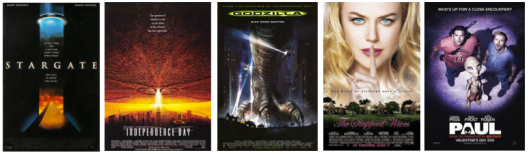
"During this segment Mr Arnold unsheathed his “secret weapon”, singer David Mcalmont, who stepped onto the stage to perform Play Dead, a song made famous by Bjork. The shot was a bullseye. The target exploded. And the audience, including David Walliams, Mark Gatiss, Steve Furst, Amanda Abbington and Martin Freeman, roared with excitement."
Review: David Arnold at the Royal Festival Hall - beige
"The mood sobered briefly when Arnold assumed singing duties for a never-before-heard song from his upcoming stage musical, Made in Dagenham—a work about the late ’60s women’s rights movement in the UK. With lyrics written from the perspective of a wife and mother, this heartbreaking song was delivered by Arnold with all the passion and all the poignancy it deserves."
David Arnold plays his greatest hits in his London concert debut - Enjoy the crawl
"We enjoyed Arnold’s vocals again on the title track from The World is Not Enough, as well the unused ‘Only Myself to Blame’ from the same film, both songs written in collaboration with legendary lyricist Don Black. Arnold also performed a raw and pounding instrumental version of ‘You Know My Name’ from Daniel Craig’s debut Casino Royale."
‘David Arnold: Live in Concert’ review - Cult Box
Incidentally his work on the Bond films has also had a nice citation in the academic literature on film music: "Arnold’s music represents an elegant integration of broad orchestral statements, big-band inspired brass, electronica, and exotic percussion. ... He references the established Bond motives and gestures and, consequently, the scores sound like the contemporary continuation of a tradition. In short, Arnold fulfilled many of the unwritten rules of the Bond scores."
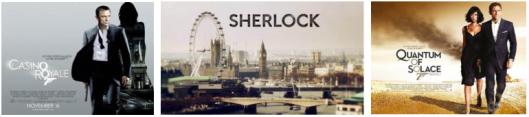
"The star character of this memorable event however was not 007, but undoubtedly Sherlock. It is rare for any contemporary television series to have such an imaginative and well written score, which when performed last night as an orchestral suite, captivated and invigorated the entire auditorium."
Review: David Arnold at the Royal Festival Hall - beige
So there you go, and go you should :D
Music
David Arnold's film and television scores on iTunes and Amazon
If you like film music concerts in general you'll probably like the Movies in Concert site.
Further reading
Here are the reviews for David's July 2014 concert.
Over the next few days a couple of David's scores for James Bond and Hot Fuzz can be heard on UK terrestrial television - Die Another Day (10.40pm, ITV, Thursday 4 December); Hot Fuzz (9pm, ITV2, Monday 8 December & rpt 9pm, ITV2, Friday 12 December), Casino Royale (10.40pm, ITV, Friday 12 December).
Here's Tim Burden's interview with David on Soundcloud, shortly before the July 2014 concert
tl;dr version: film composer David Arnold's doing
*****On 2 December 2014*****
David's score for the film Shaft is also due to be released by La-La Land Records on 2/12, the same day as his RAH interview. Also he wrote the music for Made in Dagenham the musical which is at the Adelphi until March 2015 - it's a joyous thing, go.
He's on Twitter @DavidGArnold.
Before we start, press play... (there are a few more clips from his concert recorded from an iPhone by Jack Chapple).
I really enjoyed his July 2014 concert at the Royal Festival Hall (YouTube clip above) and so did all the reviewers as you'll see in this post (full list of reviews I've found at the end). We heard music from films he scored early in his career (Stargate and Independence Day) and of course all his James Bond films, but also more recently his work (with Michael Price) on the BBC Sherlock series and a whole lot of stuff in between. He's been consistently brilliant :)
"What last night did was give an overwhelming sense of satisfaction to the audience and to highlight the versatile nature, talent and musical legacy that David Arnold has given us. I can only hope this is something that many others have the opportunity to see and listen to as he is one of the finest in the business and worthy of every bit of praise that comes his way after this London concert."
David Arnold Live - The Passionata Project
"While this event was a one-off, we hope that the composer has the bug for more, as his terrific music deserves to be heard live."
‘David Arnold: Live in Concert’ review - Cult Box
Good news - his London concert wasn't a one-off and he's announced three concerts for 2015, in Dublin, Manchester and Liverpool.
Dublin
Thursday 22 January 2015, 8pm
National Concert Hall, Dublin
€20-€45 (conc. €18-€40.50)
Tickets and info - Dublin
Manchester
Tuesday 14 April 2015, 7.30pm
The Bridgewater Hall, Manchester
£26.50 - £44.50 + VIP packages available
Tickets and info - Manchester
Liverpool
Tuesday 21 April 2015, 7.30pm
Liverpool Philharmonic Hall, Liverpool
£24.50, £29.50, £37.50, £42.50, £50
Tickets and info - Liverpool
Birmingham
Friday 26 June 2015, 7.30pm
Symphony Hall, Birmingham
£24.50, £29.50, £37.50, £42.50 & £75 VIP plus transaction fee (£3)
Tickets and info - Birmingham
Based on the July 2014 concert I think everyone's in for a treat again.
"The first half of the program appeared hand-selected to show off the eclectic nature of Arnold’s oeuvre. Immediately, the audience was bombarded with the heroic fanfare of his overture for the late ’90s space adventure Wing Commander. From there, the program ventured into the gorgeous, Barryesque gestures of Last of the Dogmen, the bluesy guitar of Four Brothers, the cool, understated majesty of his 2012 London Olympics Closing Medals Ceremony, the thundering monster movie heights of Godzilla, and the delirious, waltzy splendor of The Stepford Wives."
David Arnold plays his greatest hits in his London concert debut - Enjoy the crawl

"During this segment Mr Arnold unsheathed his “secret weapon”, singer David Mcalmont, who stepped onto the stage to perform Play Dead, a song made famous by Bjork. The shot was a bullseye. The target exploded. And the audience, including David Walliams, Mark Gatiss, Steve Furst, Amanda Abbington and Martin Freeman, roared with excitement."
Review: David Arnold at the Royal Festival Hall - beige
"The mood sobered briefly when Arnold assumed singing duties for a never-before-heard song from his upcoming stage musical, Made in Dagenham—a work about the late ’60s women’s rights movement in the UK. With lyrics written from the perspective of a wife and mother, this heartbreaking song was delivered by Arnold with all the passion and all the poignancy it deserves."
David Arnold plays his greatest hits in his London concert debut - Enjoy the crawl
"We enjoyed Arnold’s vocals again on the title track from The World is Not Enough, as well the unused ‘Only Myself to Blame’ from the same film, both songs written in collaboration with legendary lyricist Don Black. Arnold also performed a raw and pounding instrumental version of ‘You Know My Name’ from Daniel Craig’s debut Casino Royale."
‘David Arnold: Live in Concert’ review - Cult Box
Incidentally his work on the Bond films has also had a nice citation in the academic literature on film music: "Arnold’s music represents an elegant integration of broad orchestral statements, big-band inspired brass, electronica, and exotic percussion. ... He references the established Bond motives and gestures and, consequently, the scores sound like the contemporary continuation of a tradition. In short, Arnold fulfilled many of the unwritten rules of the Bond scores."

"The star character of this memorable event however was not 007, but undoubtedly Sherlock. It is rare for any contemporary television series to have such an imaginative and well written score, which when performed last night as an orchestral suite, captivated and invigorated the entire auditorium."
Review: David Arnold at the Royal Festival Hall - beige
So there you go, and go you should :D
Music
David Arnold's film and television scores on iTunes and Amazon
If you like film music concerts in general you'll probably like the Movies in Concert site.
Further reading
Here are the reviews for David's July 2014 concert.
- David Arnold Live (7 July 2014) Passionata Project
- Review: David Arnold at the Royal Festival Hall (7 July 2014) Beige
- Review: David Arnold: Live in Concert (7 July 2014) Sci-Fi Bulletin
- ‘David Arnold: Live in Concert’ review (8 July 2014) Cult Box
- Bondmisc special correspondent Bob Foster reviews David Arnold's recent concert (15 July 2014) Bond Miscellany
- David Arnold plays his greatest hits in his London concert debut (17 July 2014) Enjoy the Crawl
Over the next few days a couple of David's scores for James Bond and Hot Fuzz can be heard on UK terrestrial television - Die Another Day (10.40pm, ITV, Thursday 4 December); Hot Fuzz (9pm, ITV2, Monday 8 December & rpt 9pm, ITV2, Friday 12 December), Casino Royale (10.40pm, ITV, Friday 12 December).
Here's Tim Burden's interview with David on Soundcloud, shortly before the July 2014 concert
Saturday, 27 September 2014
Stock photos - I wonder what future 'archaeologists' will make of them
A couple of weeks ago I wondered in a few tweets the following thoughts...
Previously, I wrote about this sort of thing in terms of a picture representing an idea (or more literally a word) and how this had sparked some creative fun at work...
Here's a lovely example of a piece of music matching something less obvious in the scene (and perhaps making it more obvious to the audience) -
I like the genre of reframing of pictures, in the contextual 'caption competition' sense rather than actual frames. Here are a couple of examples I've noticed recently that have amused me.
44 Medieval beasts that cannot even handle it right now Buzzfeed (28 August 2014)
“We’re Fine Here, How Are You?” Normal Moments In Art History Where No One Is About To Get Murdered The Toast (16 June 2014) - features art nudes and so, depending on your workplace, this one might not be safe for work.
"Is there any academic literature on stock photos? I'm aware of amusing curations (women laughing alone with salad etc) but also curious about the interesting linguistic thingmes it brings up when you search for a word or phrase and it brings up unexpected stuff. I always find myself wondering about any future info-archaeologists and what they might make of how we see things / ourselves, through stock images ;)"
 |
| Flickr picture credits: Left: Kidney with 'omnions' by duncan, Middle: kidney medium by Yersinia, Right: Kidney stones by Trevor Blake |
"Years ago I helped the then editor of our research magazine (Research Matters, from Diabetes UK) find some illustrative images to go with short summaries of our various bits of research. I remember in particular looking for things that conveyed 'kidneys' to match the section on our kidney research.Picking up on the last point there it also crossed my mind that selecting images for an article (and thinking laterally about words, phrases and what the images say) is a teeny, tiny bit like being a film music composer, in the sense that you're 'writing to text' (as opposed to 'writing to picture' as in film) and can choose to use a straightforward image that's clearly aligned to the text (perhaps equivalent of using happy music in a happy scene, or sad music in a sad scene) or selecting something a little more obscure to highlight an aspect of the text that's perhaps not explicit.
There are some standard-issue visual tropes for kidneys, including pictures of actual kidneys (either photographs or drawings, including the urinary system), kidney-shaped metal dishes, kidney beans and even, if you're so minded, steak and kidney pies.But the concept of kidneys can also be put across by images of clear water - after all the job of the kidneys is to filter and clean blood, and conserve things that the body wants to keep. Even the concept of a fuse might be used in relation to the role the kidneys play in blood pressure and how this can damage them. You might even get away with 'balance' in that our kidneys keep everything in order.
I found that being in the role of someone who picks the pics made me think much more laterally about images in general, which I'm sure is all to the good."
Source: Building the picture pipeline - free images for use in healthcare and medical research #scicomm #nhssm (Sunday, 20 May 2012)
Here's a lovely example of a piece of music matching something less obvious in the scene (and perhaps making it more obvious to the audience) -
"One of the classic examples of this kind of [film music] writing is found in David Raksin's score to Force of Evil discussed in some detail in chapter 3. In the final scene the main character, Joe (John Garfield), is seen running in the street, then along a great stone wall and down a huge flight of stairs. Yet the music here is not "running" music -- Raksin has scored the emotional rather than the physical character of the scene. Joe has been running, figuratively, throughout the film; it is only now, as he begins the search for his dead brother's body, that he finds any sort of quietude. Raksin reflects this psychological point in his slow music for this sequence."Further reading
Source: Roy A Prendergast The Aesthetics of Film Music (mystery online PDF)
I like the genre of reframing of pictures, in the contextual 'caption competition' sense rather than actual frames. Here are a couple of examples I've noticed recently that have amused me.
44 Medieval beasts that cannot even handle it right now Buzzfeed (28 August 2014)
“We’re Fine Here, How Are You?” Normal Moments In Art History Where No One Is About To Get Murdered The Toast (16 June 2014) - features art nudes and so, depending on your workplace, this one might not be safe for work.
Friday, 27 June 2014
I am a bit excited about David Arnold's film music concert next week
David Arnold's next concerts will be in 2015, so far Liverpool, Manchester and London mentioned, in this tweet (and replies).
In10 7 1 day's time I'm going to get to hear some much-loved film music belting out from an orchestra on the stage at the Royal Festival Hall, woohoo! I hope he enjoys it too, even though it might not be obvious :)
That was after an orchestra had treated us to a bit of his Stargate and Sherlock music, at one of a series of concerts celebrating Mark Kermode's 50th birthday (it was fantastic!).
David Arnold: live in concert - tickets
Sunday 6 July 2014, 8pm
Royal Festival Hall, Southbank Centre
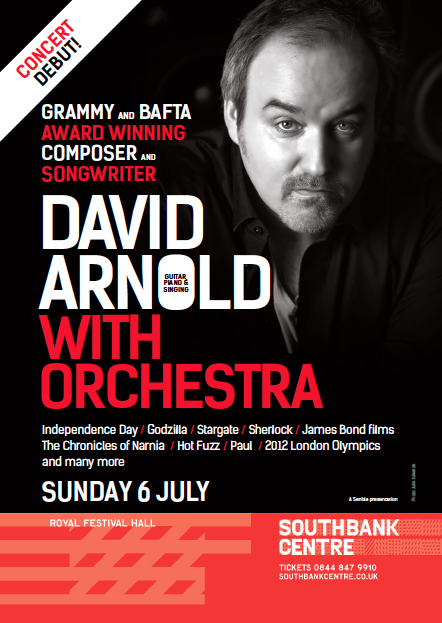 "What do Independence Day, James Bond, Sherlock and the London 2012 Olympic Games have in common?
The people who decide what films are shown on TV might have joined in the fun too as quite a few of the films that David scored are also showing in the next few days.
Download a concert flyer: https://dl.dropboxusercontent.com/u/4000104/DavidArnold_A5flyer.pdf
Independence Day
Saturday 28 June, 1pm, Film4
Friday 4 July, 6.15pm, Film4
Stargate
Sunday 29 June, 2.40pm, 5*
Quantum of Solace
Wednesday 2 July, 10.45pm, ITV2
Thursday 3 July, 8pm, ITV2
"The music throughout the vid is 'Time to get out' by David Arnold. Music right at the end is 'Another Way To Die' by Jack White & Alicia Keys."
In
Quote of the evening from @DavidGArnold ,in the bar after the show: 'I am very happy, but for some reason joy does not travel to my face'.
— Mark Kermode (@KermodeMovie) July 9, 2013
That was after an orchestra had treated us to a bit of his Stargate and Sherlock music, at one of a series of concerts celebrating Mark Kermode's 50th birthday (it was fantastic!).
David Arnold: live in concert - tickets
Sunday 6 July 2014, 8pm
Royal Festival Hall, Southbank Centre
"What do Independence Day, James Bond, Sherlock and the London 2012 Olympic Games have in common? Award-winning composer and songwriter David Arnold makes his London concert debut. He has been nominated for, and won, numerous Grammy, Ivor Novello, BMI, Saturn, World Soundtrack and BAFTA awards for his music.
His work has featured on the soundtracks to Independence Day, Stargate, the James Bond films, The Chronicles of Narnia, Godzilla, Hot Fuzz, Paul, The London 2012 Olympic Games and Sherlock.
David performs and sings alongside London's premier orchestral musicians and band."David Arnold: Independence Day, Stargate, Stepford wives, Casino Royale, Quantum of solace, The world is not enough, Last of the dogmen / David Arnold (& Michael Price): Sherlock
The people who decide what films are shown on TV might have joined in the fun too as quite a few of the films that David scored are also showing in the next few days.
Download a concert flyer: https://dl.dropboxusercontent.com/u/4000104/DavidArnold_A5flyer.pdf
Independence Day
Saturday 28 June, 1pm, Film4
Friday 4 July, 6.15pm, Film4
Stargate
Sunday 29 June, 2.40pm, 5*
Quantum of Solace
Wednesday 2 July, 10.45pm, ITV2
Thursday 3 July, 8pm, ITV2
"The music throughout the vid is 'Time to get out' by David Arnold. Music right at the end is 'Another Way To Die' by Jack White & Alicia Keys."
Saturday, 29 March 2014
BBC Frozen Planet: Philharmonia Orchestra doing a live-score at Royal Festival Hall with George Fenton
Wow this sounds lovely - an evening of watching HD footage from the BBC's Frozen Planet series with an orchestral accompaniment, conducted by George Fenton who composed the score. Not bad at all.
I went to hear George Fenton being interviewed at the Royal Albert Hall last year, by Tommy Pearson (who will be interviewing another composer, Michael Price, this coming Monday - Michael co-composed the music for the BBC's Sherlock).


There's a nice Vimeo trailer ad to accompany it.
BBC Frozen Planet in Concert from Philharmonia Orchestra on Vimeo.
I went to hear George Fenton being interviewed at the Royal Albert Hall last year, by Tommy Pearson (who will be interviewing another composer, Michael Price, this coming Monday - Michael co-composed the music for the BBC's Sherlock).
BBC Frozen Planet in Concert
Philharmonia at the Movies, Royal Festival Hall, Southbank
Sunday 4 May 2014, 7.30pm (£15-£55, 50% concessions)
There's a nice Vimeo trailer ad to accompany it.
BBC Frozen Planet in Concert from Philharmonia Orchestra on Vimeo.
Friday, 7 March 2014
Michael Price (one of the #Sherlock composers) is doing an interview about composing for the screen
...and I can't go as I'm meant to be in Swindon for a works away day (two days) thingy! To be fair the works thing will actually be really good fun anyway, I work on a massive project to do with making medical devices safer, but if you've seen more than two of my tweets one of them was probably about film music - a subject that I find endlessly fascinating.
Over the last couple of years I've been to see ... 15... 20 (lost count) film / TV / screen composers talking about how they approach their work. Music in films is often the thing I'll notice most or remember (not always though, and sometimes not until I see a film again much later) and it's a topic I'd cheerfully study academically, although I reserve the right to chuckle at some of the language used in the literature.
I'm a bit sad not to get to the event listed below because Michael Price (@michael__price) is going to be talking about his work as well as playing (with cellist Peter Gregson) some of the Sherlock music. A previous talk of his, at Screened Music, sounds like it was absolutely brilliant but I wasn't aware of it at the time, but that post is a fascinating read.
So far I know of him only through his work on Sherlock, and I know of that only because I happened to hear the music being played by the City of Birmingham Symphony Orchestra in Manchester last year and was rather taken with it. I actually came to the television programme through discovering that I loved its music. Every time I go and hear a composer speak or attend a film music concert I end up discovering more lovely films and music.
Michael will be talking to Tommy Pearson who, coincidentally, was involved in producing the Manchester concert. It was part of a series of four film music concerts celebrating Mark Kermode's 50th birthday and I went to one at the Barbican and then the one at Bridgewater Hall in Manchester. Through following Tommy on Twitter I've heard about a few other interviews with composers he's done and been along to the Elgar Room at The Royal Albert Hall to hear him interview George Fenton and Dario Marianelli, as part of the BAFTA Conversations with Screen Composers series. Some of the interviews are on the BAFTA website too.
So this event sounds awesome yet I won't be there, so I hope lots of other people will go and tweet about it and I'll read them over the wine and bread rolls at dinner in Swindon.
Michael Price in conversation with Tommy Pearson
Monday 31 March 2014, 7pm
Royal Albert Hall (Elgar Room)
Tickets: £11.20
Further reading
The Sound of Sherlock with Michael Price Sherlockology - this is a talk Michael gave to Screened Music in 2012. It's linked above but it's so interesting I have added it here again in case you missed it :)
Further listening
Sherlock CDs: S1 – Amazon UK | S2 – Amazon UK | S3 – Amazon UK
Sherlock mp3s: S1 – iTunes GB | S2 – iTunes GB | S3 – iTunes GB
You might also like
David Arnold: Live in Concert at the Royal Festival Hall - another opportunity to hear a bit of Sherlock music played, among his other music including Stargate and some of the James Bond films he scored - Sunday 6 July 2014.
Over the last couple of years I've been to see ... 15... 20 (lost count) film / TV / screen composers talking about how they approach their work. Music in films is often the thing I'll notice most or remember (not always though, and sometimes not until I see a film again much later) and it's a topic I'd cheerfully study academically, although I reserve the right to chuckle at some of the language used in the literature.
I'm a bit sad not to get to the event listed below because Michael Price (@michael__price) is going to be talking about his work as well as playing (with cellist Peter Gregson) some of the Sherlock music. A previous talk of his, at Screened Music, sounds like it was absolutely brilliant but I wasn't aware of it at the time, but that post is a fascinating read.
So far I know of him only through his work on Sherlock, and I know of that only because I happened to hear the music being played by the City of Birmingham Symphony Orchestra in Manchester last year and was rather taken with it. I actually came to the television programme through discovering that I loved its music. Every time I go and hear a composer speak or attend a film music concert I end up discovering more lovely films and music.
Michael will be talking to Tommy Pearson who, coincidentally, was involved in producing the Manchester concert. It was part of a series of four film music concerts celebrating Mark Kermode's 50th birthday and I went to one at the Barbican and then the one at Bridgewater Hall in Manchester. Through following Tommy on Twitter I've heard about a few other interviews with composers he's done and been along to the Elgar Room at The Royal Albert Hall to hear him interview George Fenton and Dario Marianelli, as part of the BAFTA Conversations with Screen Composers series. Some of the interviews are on the BAFTA website too.
So this event sounds awesome yet I won't be there, so I hope lots of other people will go and tweet about it and I'll read them over the wine and bread rolls at dinner in Swindon.
 |
| Composer Michael Price |
Michael Price in conversation with Tommy Pearson
Monday 31 March 2014, 7pm
Royal Albert Hall (Elgar Room)
Tickets: £11.20
Even my Mum's coming. And we'll be playing bits from #Sherlock live. With @petergregson http://t.co/jHtJwYDY92
— Michael Price (@michael__price) February 22, 2014
"Michael Price is one of the UK's most sought after composers. His work on the critically acclaimed BBC series Sherlock (which he scored with David Arnold) has earned him double Emmy and BAFTA nominations as well as a Royal Television Society Award.
Prior to achieving acclaim as a composer himself, Michael enjoyed significant achievements as a music editor, working on some of the most celebrated films of the past decade, including The Lord of the Rings Trilogy, Richard Curtis' Love Actually, Bridget Jones: The Edge of Reason and Children of Men. As a music editor, Michael has been nominated for four MPSE Golden Reel Awards, winning in 2001 for The Fellowship of the Ring.
Michael is currently recording a new classical album in Berlin for Erased Tapes Records and scoring the new Inbetweeners film with David Arnold."
Further reading
The Sound of Sherlock with Michael Price Sherlockology - this is a talk Michael gave to Screened Music in 2012. It's linked above but it's so interesting I have added it here again in case you missed it :)
Further listening
Sherlock CDs: S1 – Amazon UK | S2 – Amazon UK | S3 – Amazon UK
Sherlock mp3s: S1 – iTunes GB | S2 – iTunes GB | S3 – iTunes GB
You might also like
David Arnold: Live in Concert at the Royal Festival Hall - another opportunity to hear a bit of Sherlock music played, among his other music including Stargate and some of the James Bond films he scored - Sunday 6 July 2014.
Friday, 29 November 2013
David Arnold's introducing You Only Live Twice at BFI in January - need to be a member and apply for free tickets
Edit 10 December 2013
The members' ticket ballot has now finished and the event is sold out / full. Members have until 20.30pm on Friday 13 December 2013 to claim the ticket(s) they've won in the ballot and if they don't claim them then any remaining tickets will be made available from Saturday for other members to buy. If you want a ticket you need to be (a) a BFI member and (b) get ready to buy on Saturday. If that fails then try again a bit nearer the time (and on the day too of course) as someone may return a ticket at the last-minute.
Oh this sounds cool!
BFI Screen epiphanies in partnership with American Express present
David Arnold introduces You Only Live Twice
https://whatson.bfi.org.uk/Online/davidarnoldyouonlylivetwice
Thursday 23 January 2014
8.30pm
NFT1, BFI, Southbank
David Arnold is talking about and introducing You Only Live Twice which is one of the films and film scores (music by John Barry) that inspired him to become a film composer (and he's scored a fair few Bond films himself).
I like David Arnold and have heard him speak at a couple of events. He's funny, thoughtful and knowledgeable and has a really good strategic overview* of what it is that needs to be done in terms of creating music for the screen. Not to mention he's written some lovely music for all sorts of films and television programmes. Highly recommended.
*Yeah I was looking for something a bit less business-speak but I suppose that will do.
To get tickets...
Blow the bloody doors off! An evening of film music from Michael Caine films at Barbican on 6 February 2014, including The Ipcress File (John Barry), Alfie, Get Carter and The Italian Job
See also
The members' ticket ballot has now finished and the event is sold out / full. Members have until 20.30pm on Friday 13 December 2013 to claim the ticket(s) they've won in the ballot and if they don't claim them then any remaining tickets will be made available from Saturday for other members to buy. If you want a ticket you need to be (a) a BFI member and (b) get ready to buy on Saturday. If that fails then try again a bit nearer the time (and on the day too of course) as someone may return a ticket at the last-minute.
Oh this sounds cool!
BFI Screen epiphanies in partnership with American Express present
David Arnold introduces You Only Live Twice
https://whatson.bfi.org.uk/Online/davidarnoldyouonlylivetwice
Thursday 23 January 2014
8.30pm
NFT1, BFI, Southbank
David Arnold is talking about and introducing You Only Live Twice which is one of the films and film scores (music by John Barry) that inspired him to become a film composer (and he's scored a fair few Bond films himself).
I like David Arnold and have heard him speak at a couple of events. He's funny, thoughtful and knowledgeable and has a really good strategic overview* of what it is that needs to be done in terms of creating music for the screen. Not to mention he's written some lovely music for all sorts of films and television programmes. Highly recommended.
*Yeah I was looking for something a bit less business-speak but I suppose that will do.
To get tickets...
- You need to be a BFI member
- You need to apply for a ticket in the ballot (one is free but you pay for a second if you want two).
- Or, if you have an American Express card you might be able to get tickets that way but they don't seem to be listed yet.
Blow the bloody doors off! An evening of film music from Michael Caine films at Barbican on 6 February 2014, including The Ipcress File (John Barry), Alfie, Get Carter and The Italian Job
See also
- Nice things said in an academic journal article about David Arnold's scores for James Bond - quite right too (8 November 2013)
- Is there a Songkick for films? (4 March 2012) - I always feel that I hear about these types of events through good fortune rather than good advertising, think of what I might miss though ;)
Sunday, 10 November 2013
Guy Farley wrote the lovely music for this Vodafone advert
It must be a wonderful thing to be able to write a lively piece of music that expresses a thought or idea to match something happening on screen, and for it to fit that film while be pleasing to the ear. And to last for only a minute. Delightful economy :)
I'm not one who switches over during adverts as there's always the hope I'll hear a nice bit of music (I've previously blithered on about wonderful music in adverts on more than one occasion - see below) and although I might not be paying much initial attention to an ad, after a few incidences of exposure to it I start to notice it.
There's a bit in the TV version of this advert where some trumpets make a very pleasing sound, in the example below (which is longer) it's delayed a little bit but still there. I just found that I kept noticing this advert and looking up at it every time I heard it. I've now found out that it's written by Guy Farley, so hooray for him and his composering skills :)
I did ask Vodafone who composed the piece and they replied that it was "composed by our agency". Well... no, Guy Farley did it, why on earth not give him credit (or even give the agency credit and I'd have contacted them).
Vodafone 4G - Lost in Entertainment from GUY FARLEY on Vimeo.
Edit 2 September 2016: I think he won (in 2014) an award for this advert (he certainly won one for his music for an M&S ad)
Recently I went along to hear Clint Mansell talk about his work in film composing - he was interviewed at the BFI by someone from BAFTA, an excellent interview. The interviewer introduced the event by highlighting that in the world of film often the directors and actors get to talk about their involvement but BAFTA want to make it easier for people to hear from screenwriters, costume and wardrobe folk, sound designers and composers - I've been to a few BAFTA events and enjoyed many talks from composers, so I am hugely behind this.
Anyway, hooray for Guy Farley - this is his unofficial website. I'm afraid I'd never heard of him before today but will now look out for his films etc.
Edit... later that same day
I'm watching Downton Abbey and the advert appeared. I'd forgotten I had subtitles on (don't need them, just like them) and looked up to see it explain what the music was doing :)
The subtitles (which I actually picked up on 14 February 2014) are "suspenseful strings" as the ad (this is the 30s version, not the one above) starts, then "epic soundtrack builds" and finally "triumphant fanfare". Hats off to the subtitlers.
Edit 24 December 2013
I have just found this lovely ~4m video showing the recording of the music used in a drinks commercial from a few years ago. It looks like it's recorded in the beautiful Lyndhurst Hall at Air Studios, annoyingly not open to the public ;) I'd never heard of the studios until this year. I follow on Twitter the people who write the music for the television series Sherlock and they occasionally post photos of the place.
More on adverts and music
I'm not one who switches over during adverts as there's always the hope I'll hear a nice bit of music (I've previously blithered on about wonderful music in adverts on more than one occasion - see below) and although I might not be paying much initial attention to an ad, after a few incidences of exposure to it I start to notice it.
There's a bit in the TV version of this advert where some trumpets make a very pleasing sound, in the example below (which is longer) it's delayed a little bit but still there. I just found that I kept noticing this advert and looking up at it every time I heard it. I've now found out that it's written by Guy Farley, so hooray for him and his composering skills :)
I did ask Vodafone who composed the piece and they replied that it was "composed by our agency". Well... no, Guy Farley did it, why on earth not give him credit (or even give the agency credit and I'd have contacted them).
Vodafone 4G - Lost in Entertainment from GUY FARLEY on Vimeo.
Edit 2 September 2016: I think he won (in 2014) an award for this advert (he certainly won one for his music for an M&S ad)
Recently I went along to hear Clint Mansell talk about his work in film composing - he was interviewed at the BFI by someone from BAFTA, an excellent interview. The interviewer introduced the event by highlighting that in the world of film often the directors and actors get to talk about their involvement but BAFTA want to make it easier for people to hear from screenwriters, costume and wardrobe folk, sound designers and composers - I've been to a few BAFTA events and enjoyed many talks from composers, so I am hugely behind this.
Anyway, hooray for Guy Farley - this is his unofficial website. I'm afraid I'd never heard of him before today but will now look out for his films etc.
Edit... later that same day
I'm watching Downton Abbey and the advert appeared. I'd forgotten I had subtitles on (don't need them, just like them) and looked up to see it explain what the music was doing :)
The subtitles (which I actually picked up on 14 February 2014) are "suspenseful strings" as the ad (this is the 30s version, not the one above) starts, then "epic soundtrack builds" and finally "triumphant fanfare". Hats off to the subtitlers.
Edit 24 December 2013
I have just found this lovely ~4m video showing the recording of the music used in a drinks commercial from a few years ago. It looks like it's recorded in the beautiful Lyndhurst Hall at Air Studios, annoyingly not open to the public ;) I'd never heard of the studios until this year. I follow on Twitter the people who write the music for the television series Sherlock and they occasionally post photos of the place.
More on adverts and music
- Music that I discovered from adverts (19 May 2003)
- Jonathan Glazer makes amazing adverts (4 November 2012)
- Car adverts - they're usually pretty good on the music front (29 August 2012)
Friday, 8 November 2013
Nice things said in an academic journal article about David Arnold's scores for James Bond - quite right too
Edit 3 December 2013
I bet London-based readers of this page will also be interested in: David Arnold's introducing You Only Live Twice at BFI in January 2014 - you need to be a BFI member or have an Amex card, and apply for free tickets - details in the post.
In the past year I've been to hear about 10 'screen composers' (those lovely people that write music for film and television, which seems like a magical thing to do) talk about their work, or about film music more generally. I have also been hoovering up journal articles about film music - much of it is quite beyond me, especially when it goes into music theory, but my favourite journal is Music, Sound, and the Moving Image which is the most readable for an outsider.
I recently read this article by Dr Miguel Mera which has nice things to say about David Arnold's work in scoring some of the James Bond films. Both Miguel and David are in the 10 composers I've heard talk so it was nice to read one praising the work of another.
Having recently heard him sing 'The World is Not Enough' (he wrote the music, Don Black wrote the lyrics I think) at Southbank* I can't help thinking he should be singing the Bond themes as well as scoring the films! Very nice voice.
*It was for Don Black's "A life in song" event that was hosted by Michael Grade with the BBC Concert Orchestra and recorded. They said it would be broadcast around Christmas.
See also - David Arnold saying nice things about John Barry's arrangement of Monty Norman's Bond theme :)
John Barry invented the spy movie score: Unique arrangements ushered in a new genre of films from Variety, 2008
See also also
Were it feasible I would go and hear film / TV composer David Arnold talk at this thing in Edinburgh (18 August 2013) - on this blog
I bet London-based readers of this page will also be interested in: David Arnold's introducing You Only Live Twice at BFI in January 2014 - you need to be a BFI member or have an Amex card, and apply for free tickets - details in the post.
In the past year I've been to hear about 10 'screen composers' (those lovely people that write music for film and television, which seems like a magical thing to do) talk about their work, or about film music more generally. I have also been hoovering up journal articles about film music - much of it is quite beyond me, especially when it goes into music theory, but my favourite journal is Music, Sound, and the Moving Image which is the most readable for an outsider.
I recently read this article by Dr Miguel Mera which has nice things to say about David Arnold's work in scoring some of the James Bond films. Both Miguel and David are in the 10 composers I've heard talk so it was nice to read one praising the work of another.
- Miguel's website and academic staff page.
- David's website seems to be offline at the moment, but he's on Twitter at @DavidGArnold
"Recurrent motives such as the silhouetted opening title graphics, evil megalomaniacal villains with evil megalomaniacal sidekicks, exotic locations, fast cars, Bond girls, gadgets, and extraordinary stunts, are all recognisable Bond clichés. The way Bond manages to overcome insurmountable odds and almost certain death (deadly lasers, poisonous snakes, planes about to crash into mountains, and so on) is what is so beguiling. The mythical idea of Bond that has accrued since the 1950s is much more important than whichever actor is portraying him at a particular point in history. This principle also pervades the repeated use of music throughout the film series, as Jeff Smith has observed: ‘The almost Pavlovian association of music and character has been a key to the series’ success in both domestic and international markets’ (2003: 119).
David Arnold’s accomplishment in scoring the Bond films in recent years is due as much to his respectful acknowledgement of John Barry’s 1960s sound and Monty Norman’s original Bond theme, as to the new elements brought to the franchise. Arnold’s music represents an elegant integration of broad orchestral statements, big-band inspired brass, electronica, and exotic percussion. Arnold has also consistently been involved in the creation of title songs, incorporating their elements into his scores. He references the established Bond motives and gestures and, consequently, the scores sound like the contemporary continuation of a tradition. In short, Arnold fulfilled many of the unwritten rules of the Bond scores.
... ... ... ... ...
...Arnold upheld the basic principles of consistency and change that have shaped the Bond series’ success for over fifty years..."
Having recently heard him sing 'The World is Not Enough' (he wrote the music, Don Black wrote the lyrics I think) at Southbank* I can't help thinking he should be singing the Bond themes as well as scoring the films! Very nice voice.
*It was for Don Black's "A life in song" event that was hosted by Michael Grade with the BBC Concert Orchestra and recorded. They said it would be broadcast around Christmas.
See also - David Arnold saying nice things about John Barry's arrangement of Monty Norman's Bond theme :)
John Barry invented the spy movie score: Unique arrangements ushered in a new genre of films from Variety, 2008
"Barry’s arrangement of the Bond theme for “Dr. No” in 1962 started it all. “You have the bebop-swing vibe coupled with that vicious, dark, distorted electric guitar, definitely an instrument of rock ‘n’ roll,” Arnold says. “Sound-wise, it represented everything about the character you would want: It was cocky, swaggering, confident, dark, dangerous, suggestive, sexy, unstoppable. And he did it in two minutes.”"
See also also
Were it feasible I would go and hear film / TV composer David Arnold talk at this thing in Edinburgh (18 August 2013) - on this blog
Subscribe to:
Posts (Atom)

 Posts
Posts

